
Jahorina as an Olympic Mountain – Did You Know?
When people call Jahorina an Olympic mountain, that is not a romantic exaggeration or a tourism slogan. It is a factual description rooted in the history of the 1984 Winter Olympics in Sarajevo. Jahorina was one of the official Olympic venues, and the mountain hosted the women’s alpine skiing events during those Games. Official OC Jahorina history pages state clearly that the women’s giant slalom, slalom and downhill were held on Jahorina, while the Olympic Committee of Bosnia and Herzegovina confirms that Sarajevo won the right to host the 1984 Winter Olympics in a final IOC vote over Sapporo.
That fact alone already makes Jahorina special in the region. Many mountain destinations can offer scenery, ski infrastructure or summer attractions, but far fewer can say they were part of the Olympic map in a direct and official way. Jahorina was not just “connected” to the Games. It was one of the competition mountains that formed the sporting heart of Sarajevo 1984. Official Olympic-overview material and Jahorina’s own historical pages both place the mountain inside the core venue system of those Winter Games.
The Olympic story of Jahorina is also very specific, which makes it more memorable. According to the official OC Jahorina history page, the first alpine discipline held in Sarajevo 1984 was the women’s giant slalom on Jahorina on February 13, 1984. That page also records the medal winners: Debbie Armstrong of the United States won gold, Christin Cooper took silver, and Perrine Pelen won bronze. In other words, Jahorina was not a side venue waiting in the background. It opened the alpine competition programme of the Games.
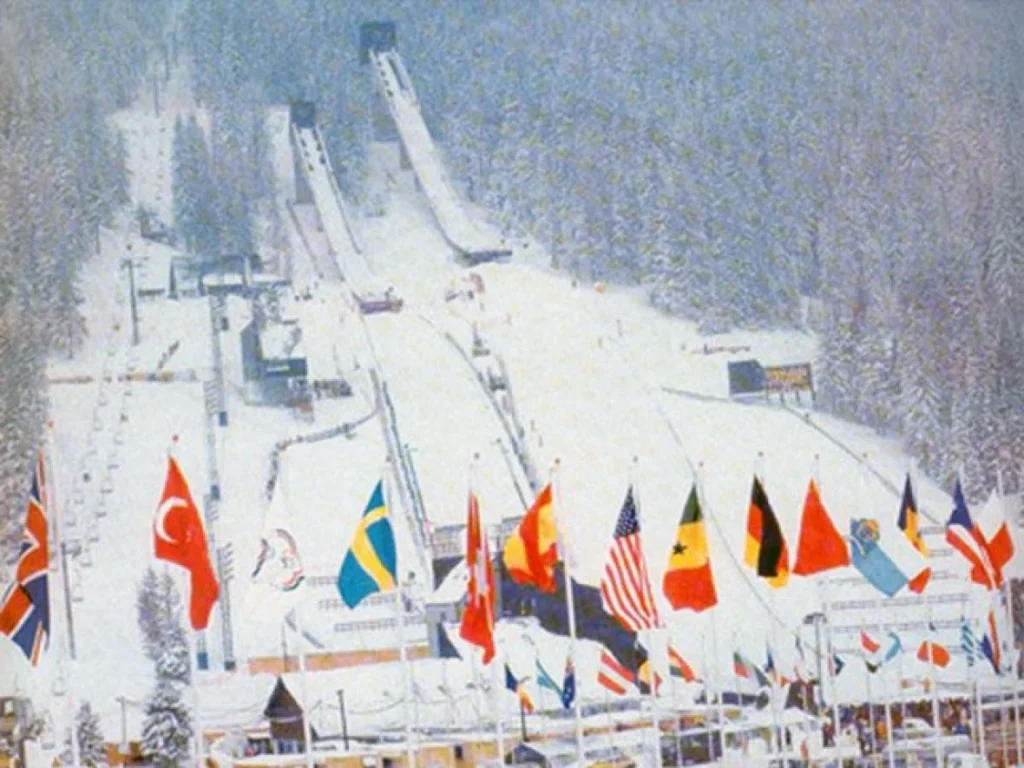
A few days later, Jahorina hosted the women’s downhill as well. The same official source records that Michela Figini of Switzerland won the Olympic downhill on Jahorina on February 16, 1984, with Maria Walliser taking silver and Olga Charvátová bronze. Then, on February 17, Jahorina also staged the women’s slalom, where Paoletta Magoni of Italy won gold. These are not vague historical references. They are specific Olympic results tied directly to Jahorina’s slopes, which means the mountain’s Olympic identity is built on documented competition history, not on later storytelling.
The Olympic importance of Jahorina becomes even clearer when you look at what had to happen before 1984. The Olympic Committee of Bosnia and Herzegovina notes that Sarajevo was awarded the Games in 1978, after beating Sapporo in the final IOC vote. At that time, Sarajevo had limited winter-sports infrastructure and a modest ski centre on Jahorina, so the award triggered a major construction and development phase. The same source says that roads toward the mountains, sports facilities, accommodation and other supporting infrastructure had to be built rapidly in preparation for the Games. That means Jahorina’s Olympic role was not symbolic only; it was one of the reasons the mountain was developed into a serious winter-sports destination.
Jahorina’s Olympic story also did not appear from nowhere. Official OC Jahorina history material shows that skiing on the mountain had a substantial pre-Olympic background. The first ski lift on Jahorina was opened in 1952, additional lifts followed in later decades, and by the 1970s the mountain already had internationally recognised ski tracks verified by the FIS. The same historical page notes that European Cup-level competition and other important alpine events had taken place on Jahorina before 1984, describing that period as a strong introduction to the eventual organisation of the Olympic Games. In practical terms, Jahorina did not become an Olympic mountain by accident. It had already been developing toward that role for years.
This is one of the reasons the phrase “Jahorina Olympic mountain” still carries real weight today. It tells visitors that the destination has layers. Yes, Jahorina is known now for skiing, summer attractions, gondola rides, lake activities and mountain stays. But behind that modern tourism offer is a mountain with proven international sporting relevance. That matters because heritage often changes how a destination feels. A mountain with Olympic history is not just visually attractive; it already holds a place in a larger public memory.
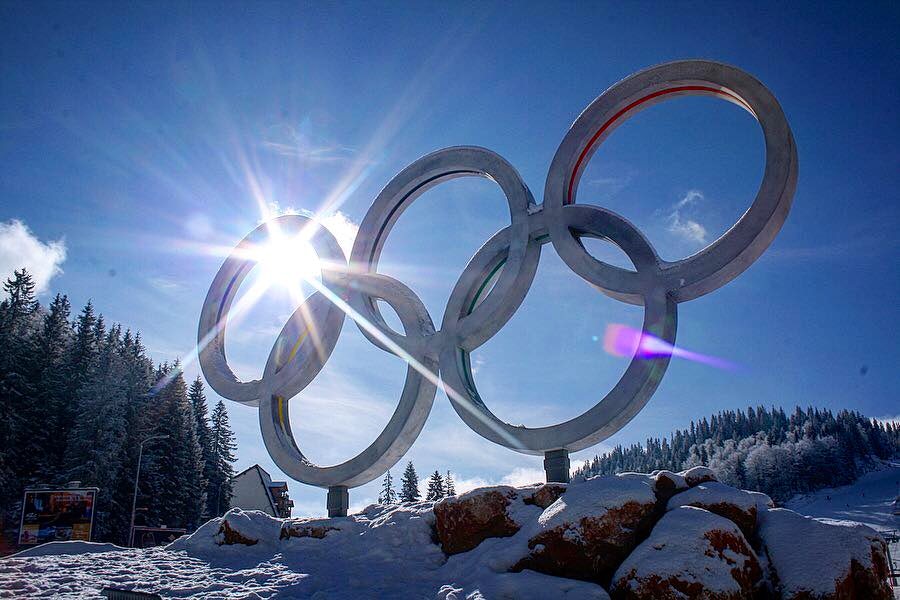
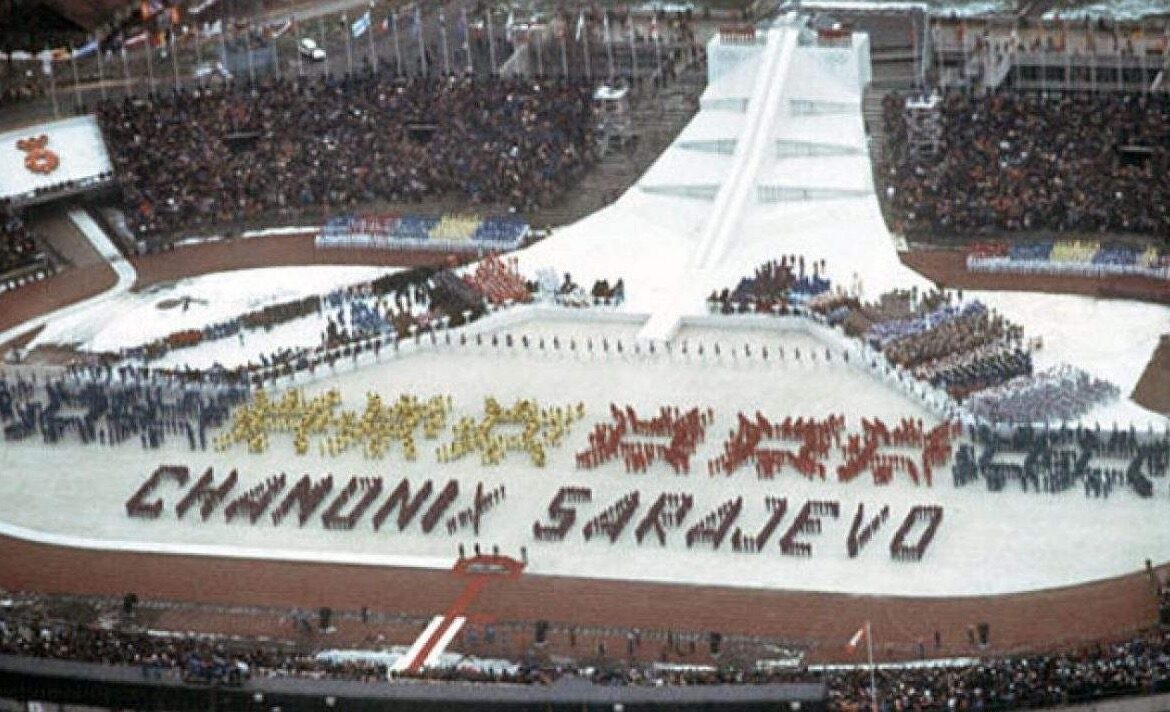
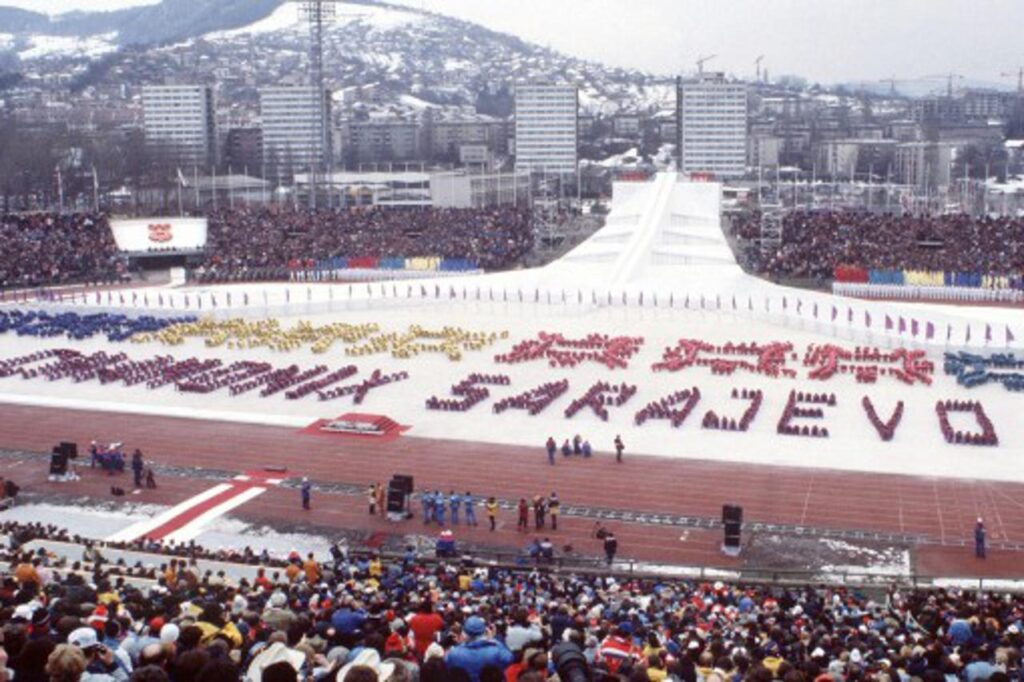
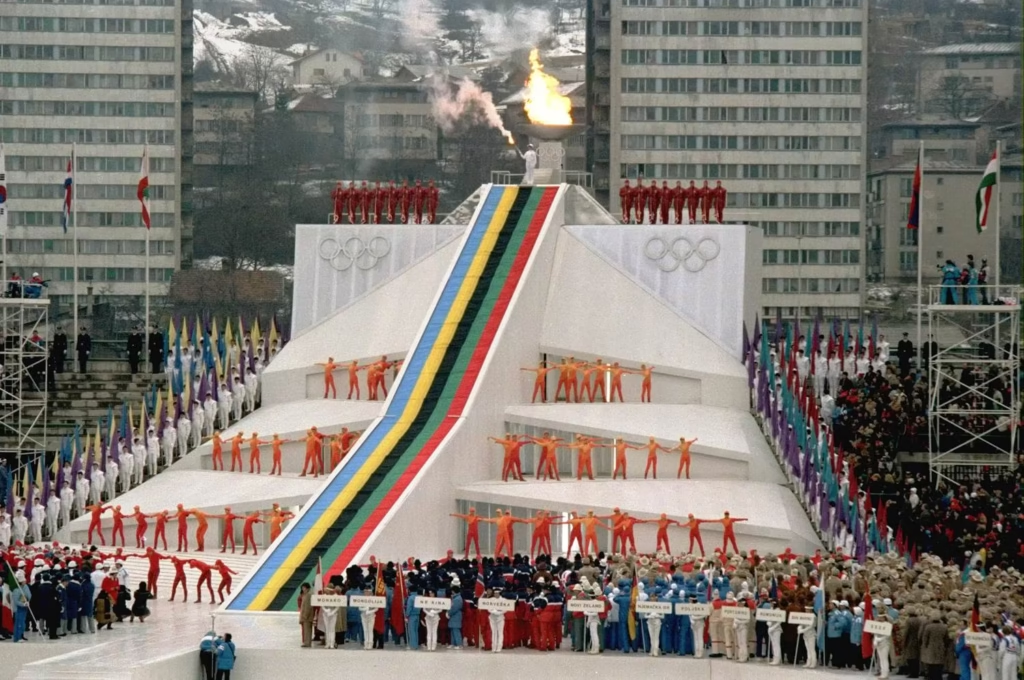
There is also a broader Sarajevo dimension that makes Jahorina’s Olympic identity even stronger. The official Winter Games history from the Bosnia and Herzegovina Olympic Committee records that the Sarajevo 1984 Winter Olympics brought together 49 countries, 1,437 athletes, more than 7,800 accredited journalists and technical staff, and nearly 696,000 spectators. Those numbers show the scale of the event and help explain why the Olympic label still matters across the region. Jahorina was one part of a Games system that brought the world to Sarajevo and permanently changed how the surrounding mountains were perceived.
For travellers today, that Olympic identity gives Jahorina something many mountain resorts cannot easily replicate: credibility, story value and historical depth. A stay on Jahorina is not only about being close to nature or finding a base for summer and winter activities. It also means spending time on a mountain that once hosted Olympic medal events and helped define one of the most remembered chapters in the sporting history of Bosnia and Herzegovina. That is a meaningful difference, especially for visitors who care about destinations with character rather than only convenience.
So, was Jahorina really an Olympic mountain? Yes, beyond any doubt. It hosted official Olympic women’s alpine skiing events in 1984, it formed part of Sarajevo’s Winter Games venue system, and its development as a sports destination was closely tied to that Olympic moment. That is why the phrase still belongs in serious destination writing today. It is not just a nice angle for a blog headline. It is one of the clearest, most verifiable truths about Jahorina itself.



Hi, this is a comment.
To get started with moderating, editing, and deleting comments, please visit the Comments screen in the dashboard.
Commenter avatars come from Gravatar.